In high-stakes work environments, resilience is often framed as a mental toughness contest, the ability to push harder and endure stress. At Glial Solutions, we recognize that this approach is not only unsustainable but biologically inaccurate. True workplace resilience is not a mindset. It is a physiological capacity.
Our workplace resilience training workshop moves beyond generic coping strategies. We focus on the autonomic nervous system to help teams remain stable, adaptive, and collaborative under sustained pressure.

Why Workplace Resilience Matters
Modern organizations operate in a state of constant change. Between digital overload, shifting market demands, and the pressure for high performance, the modern workforce is under structural stress. Effective workplace resilience strategies help organizations reduce the cumulative impact of continuous change while supporting healthier adaptation across teams.
When employees lack the internal resources to manage stress, the organizational culture suffers. Workplace resilience training is an essential investment because resilient people don’t just survive challenges; they maintain their ability to think clearly and work together when the stakes are highest. A positive work environment depends on the collective resilience of the people within it. Without it, productivity drops, and burnout becomes inevitable.

Signs Your Team Needs Resilience Training
Many leaders notice the symptoms of a dysregulated workplace without realizing they are rooted in nervous system overload. If your team is experiencing these challenges, it is a sign that their physiological capacity for resilience has been exceeded:
- Burnout is increasing — even high-performing employees struggle to maintain energy. Preventing employee burnout requires more than encouraging resilience; it requires helping people recover from sustained workplace pressure before exhaustion becomes chronic.
- Reactive communication — small disagreements escalate quickly.
- Reduced engagement — teams withdraw or operate on autopilot.
- Difficulty navigating change — minor shifts create outsized disruption.
- Innovation is slowing — survival-mode thinking replaces adaptive problem solving.
These aren’t just “soft skill” gaps; they are indicators of a system that has lost its ability to recover.
Why Traditional Resilience Training Falls Short
Most resilience training programs focus on mental strength, positive thinking, or wellbeing initiatives like self-care apps and mental health days. While these have value, they often fail because they address psychology without addressing physiology.
Teaching essential skills like effective communication or leadership development frameworks is useless if the participants are too stressed to access them. Stress does not erase your skills; it temporarily makes them neurologically inaccessible. Fostering resilience requires more than just professional development seminars; it requires training the nervous system to stay “online” during uncertainty.

A Regulation-First Approach to Workplace Resilience
Resilience is not built by pushing through stress. It is built by strengthening the nervous system’s ability to recover and remain stable under pressure.
Our resilience training focuses on regulation. When a person is regulated, they have access to their emotional intelligence, their empathy, and their logic. This regulation-first approach is also central to our somatic leadership training program. By focusing on the physiological root, we provide practical strategies that work in challenging environments, not just in a calm classroom.
The Science of Stress and Resilience
To build resilience, we must understand the autonomic nervous system. Our training materials explain how the body shifts between the “fight or flight” response and the “social engagement” system.
In the workplace, stress triggers a survival response that reduces activity in the prefrontal cortex—the part of the brain responsible for decision-making and teamwork. Resilience is the biological ability to navigate adversity without getting stuck in a state of chronic high-alert. Our course teaches participants how to recognize these states through self-awareness and use somatic practices to return to a state of well-being.
The Regulation-First Resilience Model
Our resilience workshop is built on three pillars of development:
Self-Regulation
The individual capacity to monitor and shift one's own internal state. This involves self-awareness and the practice of specific regulation techniques.
Co-Regulation
How leaders and teams stabilize each other. This creates the foundation for psychological safety and effective communication within teams.
Team Resilience
The collective capacity of a group to adapt to change management and uncertainty without breaking down. Regulated teams are able to maintain safety even during periods of intense pressure.
Essential Skills for Workplace Resilience
Through our leadership development and team training programs, we help the workforce develop the essential skills needed to thrive in life and work:
- Emotional Regulation: The ability to stay steady when emotions run high. Regulation strengthens emotional intelligence in teams.
- Adaptability: Maintaining adaptive thinking during rapid shifts in organizational culture. Building resilience during workplace change helps employees remain focused, emotionally steady, and capable of making sound decisions even when uncertainty is ongoing.
- Communication Under Pressure: Using active listening and clarity even when stress is high.
- Conflict Navigation: Moving through disagreements without triggering a defensive stress response.
- Collaborative Problem Solving: Keeping the “social brain” active to ensure teamwork remains high.
What Happens During the Workshop?
Whether delivered in person or via a virtual training method, our workplace resilience workshop is highly experiential. We don’t just talk about resilience; we practice it.
Participants engage in:
- Stress awareness exercises to identify personal triggers and physiological markers.
- Regulation techniques that can be used in the middle of a meeting or a difficult conversation.
- Real-world workplace scenarios to apply adaptive thinking under simulated pressure.
- Team-based discussions to build co-regulation and support networks.
- Developing realistic plans for integrating these practices into everyday work routines.
Workplace resilience is closely connected to stress management in teams.
Workshop Delivery Options
We offer flexible delivery methods to meet the needs of diverse organizations:
- In-Person Workshops: Intensive, two-hour or full-day sessions for up to 40 people.
- Virtual Training: Interactive, facilitated sessions designed for remote or hybrid teams.
- Cohort-Based Learning: Multi-session programs that allow for deeper integration over time.
- Blended Learning: A mix of live facilitation and self-paced resources for ongoing professional development.
Measurement and Outcomes
We believe resilience training should have a positive impact that is visible and measurable. We use pre/post assessments and behavioral observation to track progress:
- Improved adaptability — teams recover more quickly after setbacks.
- Clearer communication — fewer reactive or defensive interactions.
- Reduced burnout risk — healthier energy levels across teams.
- Stronger team performance — sustained productivity during high-pressure periods.
Who This Workshop Is For
This course is designed for organizations that value both their people and their performance. It is ideal for:
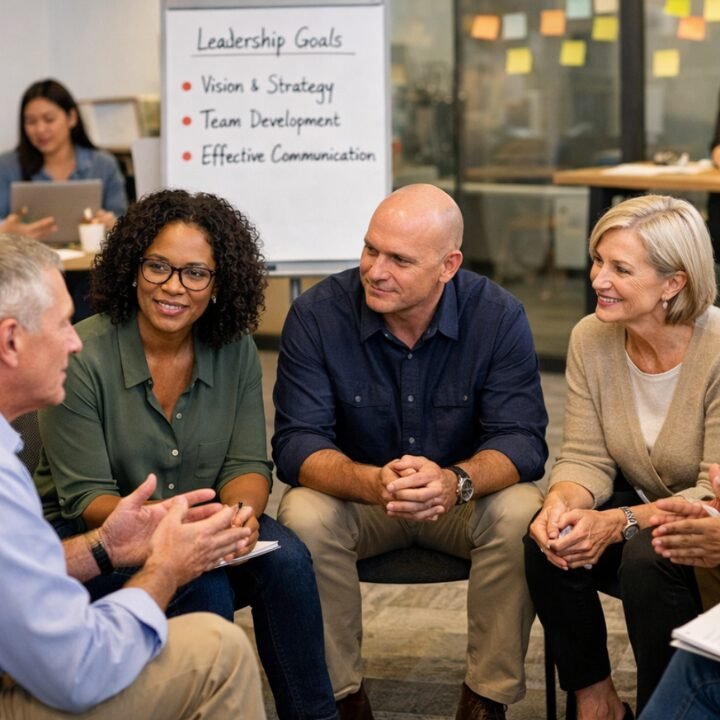
- Leadership Teams: Leaders who need to provide executive regulation for their departments.
- Cross-Functional Teams: Groups that must collaborate across silos under tight deadlines.
- HR and L&D Leaders: Professionals seeking a science-based alternative to traditional wellness or resilience programs.
- Organizations Navigating Change: Companies undergoing mergers, rapid scaling, or management transitions.
Why Organizations Choose Glial
Glial Solutions is the leader in nervous-system-informed consulting. We are not motivational speakers; we are somatic practitioners and organizational consultants. Our approach is grounded in applied neuroscience, providing a somatic framework that traditional leadership coaches often miss.
We don’t teach your people how to “cope” with a toxic environment. We give them the physiological ability to change the environment from the inside out.