

The Real Reason Teams Struggle

Team Development Workshop – Rewire for Resilience ™

A Workshop That Builds Resilience, Communication & Leadership Under Pressure

When deadlines tighten, uncertainty grows, and demands increase, even high-performing teams can begin to struggle.

Communication becomes less clear. Meetings lose momentum. Decision-making slows. Collaboration feels harder than it should.

Not because people stopped caring.

Not because they forgot what they’ve learned.

But because pressure can make it harder to access the skills, judgment, and presence they already possess.

That’s the difference between knowing what to do and being able to do it when it matters most.

At Glial, we believe resilience isn’t about pushing harder or eliminating pressure. It’s about building capacity, the ability to remain clear, connected, and intentional when work becomes demanding.

When teams build that capacity, they don’t just perform better. They communicate more effectively, navigate conflict more skillfully, and lead with greater confidence, even during periods of change and uncertainty.

Rewire for Resilience™ is Glial’s signature team development workshop, designed to help teams recognize how pressure affects the way they work together and build together the capacity to respond with greater clarity, connection, and intention.

We believe the wisdom people need is already within them. Our work is helping them access it more consistently, especially when the demands of life and work increase.

What Is a Team Development Workshop?

A team development workshop is a structured learning experience that helps people work together more effectively.

Organizations invest in these workshops to strengthen communication, collaboration, leadership, emotional intelligence, conflict resolution, psychological safety, and workplace resilience. The goal isn’t simply to help individuals grow; it’s to improve how the team functions as a whole.

Unlike traditional team-building activities, which often focus on morale or shared experiences, team development addresses the everyday dynamics that influence performance. It helps teams communicate more effectively, navigate challenges together, and stay aligned when the work becomes complex and stressful.

For today’s organizations, that distinction matters.

Success no longer depends on how well teams perform when everything is going smoothly. It depends on how well they perform when deadlines tighten, priorities shift, and uncertainty becomes part of the job.

Traditional workshops provide valuable skills, and yet many organizations are discovering those skills don’t always transfer into everyday work when pressure is highest.

Why Teams Struggle Under Pressure

Most teams don’t struggle because they lack knowledge or good intentions. They struggle because pressure changes how people show up.

A team development workshop is a structured learning experience that helps people work together more effectively.

Organizations invest in these workshops to strengthen communication, collaboration, leadership, emotional intelligence, conflict resolution, psychological safety, and workplace resilience. The goal isn’t simply to help individuals grow; it’s to improve how the team functions as a whole.

Unlike traditional team-building activities, which often focus on morale or shared experiences, team development addresses the everyday dynamics that influence performance. It helps teams communicate more effectively, navigate challenges together, and stay aligned when the work becomes complex and stressful.

For today’s organizations, that distinction matters.

Success no longer depends on how well teams perform when everything is going smoothly. It depends on how well they perform when deadlines tighten, priorities shift, and uncertainty becomes part of the job.

Traditional workshops provide valuable skills, and yet many organizations are discovering those skills don’t always transfer into everyday work when pressure is highest.

People interrupt more quickly. Curiosity gives way to certainty. Someone starts solving before fully understanding the problem. Another disengages altogether.

The issue isn’t a lack of skill.

It’s that pressure has changed what’s accessible in the moment.

When demands increase, the nervous system can shift toward self-protection. In simple terms, the brain begins prioritizing getting through the challenge over staying curious, collaborative, and open to new perspectives.

That’s why capable, caring people sometimes communicate in ways that don’t reflect who they truly are.

They haven’t lost their skills.

They’ve lost consistent access to them.

The Hidden Variable Most Team Development Misses

Most team development workshops focus on building valuable skills.

Those skills matter.

But there’s an important question many organizations never stop to ask:

Can people consistently access those skills when pressure is highest?

When the nervous system shifts into self-protection, attention narrows. Listening becomes harder. Curiosity and empathy fade. Clear decision-making becomes less accessible.

That’s the hidden variable.

The challenge isn’t simply learning new skills. It’s building the capacity to use those skills when they matter most.

At Glial, we call this a regulation-first approach.

Regulation is the ability to notice when pressure is influencing your thoughts, emotions, or behavior so that you can return to a state where you can respond with greater intention. When individuals build this capacity together, it changes how teams communicate, collaborate, make decisions, and navigate challenges.

Pressure rarely stays contained to one person.

It moves through conversations.

Meetings.

Decisions.

Relationships.

Over time, it shapes culture itself.

Helping teams recognize and interrupt those patterns is what makes lasting change possible.

Meet Rewire for Resilience™

Rewire for Resilience™ is Glial’s signature team development workshop.

Rewire for Resilience™ is Glial’s signature team development workshop.

Rather than introducing another communication framework or leadership model, Glial focuses on strengthening the foundation beneath them.

Through practical neuroscience, embodied learning, guided reflection, workplace scenarios, and meaningful team discussion, participants learn how pressure influences behavior and how to return to greater clarity, connection, and intention when it matters most.

Participants leave with practical tools to:

This isn’t about eliminating pressure from the workplace.

It’s about helping people consistently access their best thinking, strongest relationships, and wisest decisions even when pressure builds and impacts the day-to-day.

What Rewire for Resilience™ Helps Teams Develop

Every organization wants better communication, stronger leadership, and more resilient teams. Rewire for Resilience™ helps teams strengthen the foundation beneath effective leadership and collaboration, so the skills they’ve already developed become more accessible when the demands of work increase.

Better Communication

The quality of a team's communication is often determined long before anyone speaks.

When people feel overwhelmed or defensive, listening becomes harder, misunderstandings increase, and conversations become more reactive than productive.

Rewire for Resilience™ helps participants recognize these patterns in real time and respond with greater intention. As teams develop a shared understanding of how pressure influences communication, difficult conversations become more constructive, feedback becomes easier to receive, and collaboration becomes more effective.

Leadership Presence

Leadership isn't measured by how someone shows up when everything is going well. It's revealed in moments of uncertainty.

Whether leading a meeting, navigating conflict, or supporting a team through change, leaders who can remain grounded create stability for the people around them. Workshop participants learn practical ways to recognize their own stress responses, regain clarity, and lead with greater confidence, steadiness, and intention.

Workplace Resilience

Resilience isn't about enduring more stress. It's about recovering more effectively and staying connected to what matters while demands continue to evolve.

Rather than encouraging people to simply push through, Rewire for Resilience™ helps teams develop sustainable habits that support adaptability, clearer thinking, and long-term performance.

Psychological Safety

Trust grows when people believe they can speak honestly, ask questions, admit mistakes, and navigate disagreement without fear of blame or withdrawal.

As teams become more aware of how pressure shapes behavior, they become better equipped to pause, repair misunderstandings, and stay connected through difficult conversations. Over time, this creates stronger relationships, healthier dialogue, and a workplace where people feel safe contributing their best thinking.

Emotional Intelligence

Emotional intelligence is more than understanding emotions. It's the ability to work with them skillfully.

Participants strengthen self-awareness, self-regulation, empathy, and relationship awareness while learning the practice of co-regulation, the way one person's steadiness can help another regain theirs.

When individuals become more regulated, teams become more connected.

How Rewire for Resilience™ Works

Rewire for Resilience™ is designed as an interactive learning experience, not a lecture.

Participants learn by noticing, practicing, reflecting, and applying new insights to the realities of their work.

Throughout the workshop, participants engage in:

Every activity is designed to help participants connect what they’re learning to the conversations, meetings, and decisions they navigate every day.

The goal isn’t simply to understand the concepts. It’s to leave with practical experiences participants can continue using long after the workshop ends.

Meet the Experts

Meet the Glial Facilitation Team

Rewire for Resilience is facilitated by Glial's team of Master Nervous System Regulators and organizational consultants. Together, they bring expertise in leadership development, conflict resolution, somatic coaching, clinical psychology, and organizational resilience to help teams communicate, collaborate, and lead effectively under pressure.

Beverly Pagano

Beverly Pagano

Master Nervous System Regulator & Somatic Leadership Coach

With more than 20 years of experience in leadership development, wellness operations, and somatic coaching, Beverly helps leaders and teams remain grounded, clear, and connected under pressure. Her expertise in Polyvagal Theory, nervous system regulation, and embodied resilience helps organizations build the physiological foundations for effective communication, decision-making, and sustainable performance.

Specializes In

Nervous system regulation Leadership resilience Burnout prevention Somatic leadership development
Madison Pollack

Madison Pollack

Master Nervous System Regulator & Health Coach

Madison specializes in helping high-performing leaders understand the biological roots of stress, burnout, and reactivity. Combining expertise in health coaching, hormone health, and nervous system regulation, she helps teams develop the capacity to perform consistently without sacrificing well-being.

Specializes In

Burnout recovery Leadership performance under stress Team communication Sustainable high performance
Vanessa Chapman

Vanessa Chapman

Master Nervous System Regulator & Organizational Consultant

Drawing from her background in clinical psychology, conflict resolution, and organizational consulting, Vanessa helps teams restore trust, psychological safety, and effective collaboration. Her work focuses on helping leaders move from reactive survival states into grounded, strategic leadership.

Specializes In

Psychological safety Conflict resolution Leadership regulation Team resilience & Collaboration

One Workshop. Multiple Organizational Outcomes

Communication, leadership, resilience, emotional intelligence, and psychological safety are often treated as separate initiatives. In practice, they’re deeply connected. When people can consistently access their best thinking, every aspect of team performance improves.

Rewire for Resilience™ will help:

Improve Team Communication

Clear thinking supports clear communication. Teams become better listeners, navigate difficult conversations more effectively, and resolve misunderstandings before they grow into larger conflicts.

Strengthen Leadership

Leaders who remain grounded during uncertainty create steadier teams. Greater presence leads to better decisions, more effective coaching, and stronger relationships across the organization.

Increase Workplace Resilience

Rather than simply tolerating ongoing demands, teams learn to recover more quickly, adapt more effectively, and sustain performance over time.

Build Psychological Safety

As people become less reactive, trust deepens. Conversations become more open, collaboration improves, and healthy disagreement becomes easier to navigate and more productive.

Navigate Change with Greater Confidence

Periods of growth, restructuring, and uncertainty place unique demands on teams. Participants develop practical tools that help them remain flexible, connected, and intentional as circumstances evolve.

Reduce Burnout

Burnout isn't solved by asking people to work harder or become tougher. It begins with creating the conditions that allow people to recover, reconnect, and support one another more effectively. When individuals build that capacity together, healthier teams and more sustainable performance naturally follow.


Measuring Success

The success of a team development workshop isn’t measured by how participants feel at the end of the session.

It’s measured by what changes afterward.

Organizations often use Rewire for Resilience™ to support goals such as improving communication, strengthening leadership, increasing employee engagement, reducing workplace conflict, and building healthier, more resilient teams.

Together, we’ll identify meaningful outcomes before the workshop begins and evaluate progress through measures that may include:

For organizations seeking deeper integration, follow-up coaching and reinforcement can help sustain learning and support long-term behavior change.

The goal isn’t simply to deliver a memorable workshop. It’s to create meaningful change that continues long after the session ends.

Workshop Overview

Format

  • Virtual
  • In-person
  • Hybrid


Duration

3-hours (2 90-minute sessions) 

Custom workshops and extended engagements are also available for organizations seeking deeper integration.

Ideal Participants

Rewire for Resilience™ is designed for organizations that want to strengthen how people work together, not just how individuals perform.

Ideal participants include:

  • Executive teams
  • Leadership teams
  • Managers
  • Cross-functional teams
  • Entire departments

Best Fit Organizations

This workshop is especially valuable for organizations navigating sustained pressure, rapid change, or increasing complexity, including:

  • Healthcare
  • Technology
  • Professional services
  • Manufacturing
  • Education
  • Nonprofits

It is also an excellent fit for organizations experiencing growth, leadership transitions, culture change, or ongoing operational demands.

Why This Approach Creates Lasting Change

Most professional development focuses on teaching new knowledge. Rewire for Resilience™ focuses on helping people consistently access what they already know. This distinction changes everything.

Communication skills matter.

Leadership skills matter.

Conflict resolution, emotional intelligence, and collaboration all matter.

But they only create lasting change when people can use them in the moments they’re needed most.

By combining practical neuroscience, embodied learning, and real workplace application, Rewire for Resilience™ helps teams build the internal conditions that support sustainable behavior change, not just temporary insight.

Because resilient teams aren’t created by learning more.

They’re created by becoming more able to access their best thinking, strongest relationships, and wisest decisions when the pressure is real.

As we often say at Glial:

The wisdom people need is already within them. Our work is helping them access it more consistently, especially when the demands of work increase.

Frequently Asked Questions

A team development workshop is a structured learning experience that helps people improve how they communicate, collaborate, solve problems, and lead together. Unlike traditional team-building activities, team development focuses on the everyday behaviors that influence team performance, relationships, and organizational culture.

Team-building is typically designed to strengthen relationships through shared experiences. Team development goes a step further by helping teams improve how they communicate, make decisions, navigate conflict, and work together when the demands of work increase.

While team-building strengthens connection, team development strengthens the way teams function.

Communication rarely breaks down because people suddenly stop caring or forget what they’ve learned.

As pressure increases, the nervous system can shift toward self-protection. In practical terms, people may become less patient, less curious, more reactive, or more withdrawn. The challenge isn’t usually a lack of communication skills, but rather it’s having consistent access to those skills when they matter most.

That’s why capable, well-intentioned people can struggle to communicate effectively during stressful moments.

Nervous system regulation is the ability to recognize when pressure is influencing your thoughts, emotions, or behavior and return to a state where you can respond intentionally rather than automatically.

Simply put, it’s the capacity to stay connected to your best thinking, strongest relationships, and wisest decisions, even when work becomes demanding.

Both, but not in the traditional sense.

Rewire for Resilience™ strengthens the foundation beneath communication, leadership, emotional intelligence, collaboration, and resilience. Rather than teaching another communication framework, the workshop helps participants build the capacity to consistently access the skills they already have when pressure is highest.

Because when people can stay clear, connected, and intentional, communication naturally improves.

Traditional workshops often teach valuable knowledge and practical skills. The challenge is that those skills are typically learned in calm environments but expected to be used during moments of pressure.

When the nervous system shifts into self-protection, people may lose access to the very skills they’ve worked hard to develop.

Rewire for Resilience™ addresses that gap by helping participants strengthen the internal conditions that make effective communication, leadership, and collaboration more accessible in everyday work.

Yes.

Psychological safety grows when people feel they can ask questions, share ideas, admit mistakes, and navigate disagreement without fear of blame or judgment.

As participants become more aware of how pressure influences behavior, they become better equipped to pause before reacting, repair misunderstandings more quickly, and remain connected during difficult conversations. Over time, this helps build greater trust, healthier dialogue, and stronger collaboration across the team.

Every team experiences pressure. The difference is not whether pressure exists; it’s how much capacity the team has to respond to it.

Teams with greater capacity are better able to stay connected, think clearly, communicate effectively, and recover from challenges without becoming overwhelmed by them. Rather than allowing pressure to spread through conversations and relationships, they learn to recognize it, respond intentionally, and support one another more effectively.

That’s what resilience looks like in practice.

Organizations often report clearer communication, stronger leadership presence, healthier collaboration, improved team dynamics, and greater resilience during periods of change and uncertainty.

Perhaps most importantly, teams develop a shared understanding of how pressure affects the way they work together and gain practical tools for responding with greater clarity, connection, and intention.

The result is a team that’s better equipped to navigate challenges without losing access to its strengths.

Absolutely.

Every workshop is tailored to your organization’s goals, team dynamics, and the challenges your people are navigating. Whether your team is experiencing rapid growth, organizational change, leadership transitions, or ongoing operational demands, we customize the experience to ensure it’s relevant, practical, and immediately applicable.

Our goal isn’t to deliver a one-size-fits-all workshop. It’s to create an experience that meets your team where they are and supports where they’re going.

Ready to Build a More Resilient Team?

When people can consistently access their best thinking, communication, and leadership abilities under pressure, teams don’t just perform better.

They work better together.

If you’re looking for a team development workshop that goes beyond teaching new skills to strengthen the foundation beneath them, we’d love to help you explore how Rewire for Resilience™ can support your organization.

The foundation beneath leadership, communication, and culture

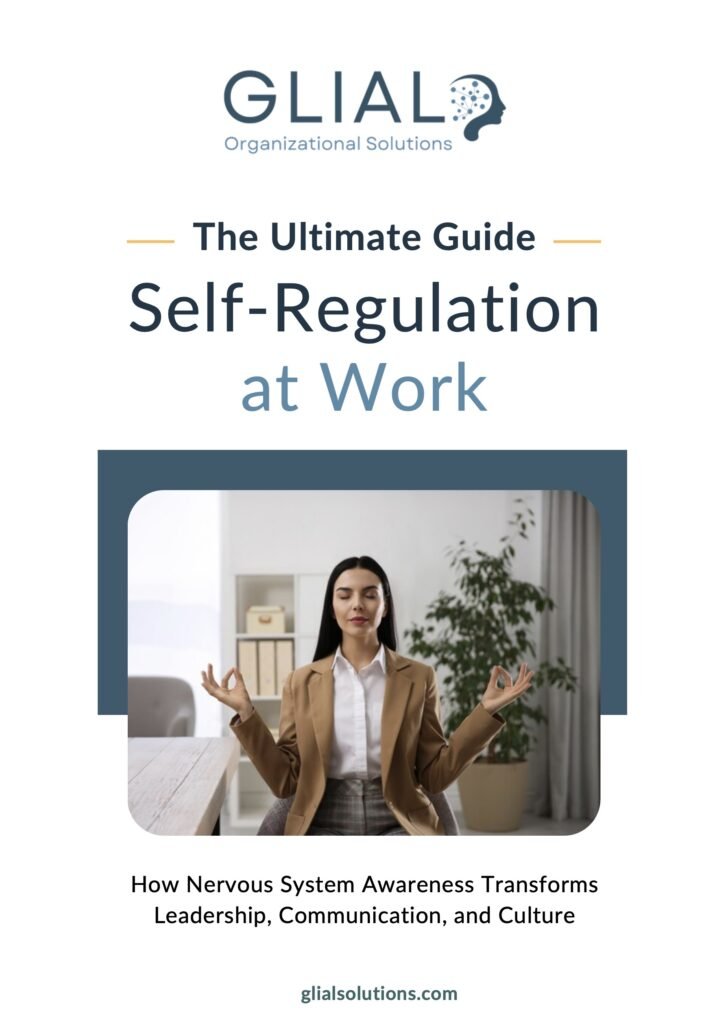
Download The Ultimate Guide to Self-Regulation at Work