Most organizations approach emotional intelligence as a set of communication techniques or leadership traits. The assumption is simple: if leaders understand emotional intelligence, they will lead more effectively.
But in real work environments, something else happens.
Under pressure, empathy disappears. Conversations become reactive. Even experienced leaders struggle to stay grounded. This isn’t a failure of emotional intelligence; it’s a limitation of how emotional intelligence is developed.
At Glial, we provide an emotional intelligence workshop for teams that addresses the biological root of performance. We believe that high emotional intelligence is only possible when the nervous system is regulated. If you cannot manage your internal state, you cannot apply emotional intelligence in the moments it matters most.


Why Emotional Intelligence Breaks Down Under Pressure
In a high-stakes organizational context, stress is a constant. When the nervous system perceives a threat, whether it’s a missed KPI or a tense group discussion, the brain’s social engagement system becomes less accessible. In this state, the physiological capacity for connection is replaced by a biological mandate for protection.
This is why workplace emotional intelligence training often fails to stick. You can understand the concepts, but if your physiology is in a state of “fight or flight,” your ability to access empathy or social awareness is neurologically blocked. Emotional reactions take over, and technical skills alone cannot compensate for a dysregulated nervous system. To build a productive work environment, teams must first learn to manage the underlying emotional responses that derail effective leadership.
If This Feels Familiar, You’re Not Alone
Many teams experience a gap between what they know and how they show up. You might recognize these patterns:
- Leaders possess emotional intelligence in theory, but struggle to apply it during difficult moments.
- Team members avoid difficult conversations to prevent tension, which ultimately erodes long-term relationships.
- Feedback discussions trigger emotional reactions that stall growth rather than building a strong foundation of trust.
- Otherwise brilliant individuals struggle with self-management when faced with recent challenges.
- The team lacks a shared purpose because communication has become transactional and guarded.
These patterns are not failures of emotional intelligence; they are physiological responses to stress. Our emotional intelligence workshop helps teams move past these barriers by focusing on self-regulation as the prerequisite for professional success.
Why Traditional Emotional Intelligence Training Falls Short
Traditional training program options focus heavily on emotional intelligence frameworks and self-assessment tools. They teach you to recognize your own emotional intelligence strengths and weaknesses through self-perception surveys.
While these provide a deeper understanding, they are often incomplete. They operate at the level of the mind. Under stress, the nervous system overrides these learned behaviors. If a training program only gives you a leadership script without teaching you how to stay regulated enough to read it, the investment is lost. Developing emotional intelligence requires more than a strong foundation of knowledge; it requires the capacity to stay present in professional settings.

A Different Approach to Emotional Intelligence Development
Glial offers a regulation-first model. While a typical emotional intelligence workshop teaches awareness, we teach the internal stability required to act on that awareness. We help participants learn techniques to stabilize their physiology, ensuring that emotional intelligence skills remain accessible even in workplace scenarios involving high tension.
By focusing on the nervous system, we help leaders move from emotional expression that is reactive to communication that is intentional. This is how you create a culture of well-being and effective leadership.
The Regulation-First Emotional Intelligence Model
Our emotional intelligence training is built on three core physiological capacities:
Self-Regulation
This is the ability to manage their emotional intelligence and stay steady under pressure. This is the same foundation developed in our somatic leadership training program. Without self-regulation, leadership effectiveness is compromised by reactivity.
Co-Regulation
Effective leadership requires the ability to help others stay calm. Through body language, active listening, and intentional communication, leaders can influence the nervous systems of their team members. This builds strong relationships and allows the group to resolve conflicts rationally.
Team Regulation
We look at the work culture as a living system. This creates the conditions for psychological safety across teams, where the "collective nervous system" feels safe enough to innovate. This is the ultimate goal of emotional intelligence development: a state where social skills and social awareness are the default.
Emotional Intelligence Skills Teams Still Need
While we prioritize physiology, we also integrate essential EI skills into an organizational context:
- Emotional Awareness: Building an emotional vocabulary to accurately recognize and manage internal states.
- Empathy and Perspective Taking: Developing the capacity to understand emotional intelligence from different perspectives.
- Communication Skills: Using better communication to share insights and share stories that build relationships.
- Relationship Management: Applying social skills to maintain strong relationships across the organization.
- Conflict Resolution: Learning to reduce conflicts by staying regulated during difficult situations.
These leadership skills are like neurons within an organization, but regulation is the glial system that allows them to function reliably under pressure.
What Happens During an Emotional Intelligence Workshop
Our training program is experiential, moving beyond lectures to ensure participants apply emotional intelligence in real-time. Emotional intelligence activities include:
- Self-Assessment and Reflection: Using regular self-reflection to identify one’s own emotional intelligence strengths.
- Active Listening Practice: Exercises where one person shares and another practices listening without judgment.
- Role-Playing Scenarios: Using workplace scenarios and role play to simulate difficult situations.
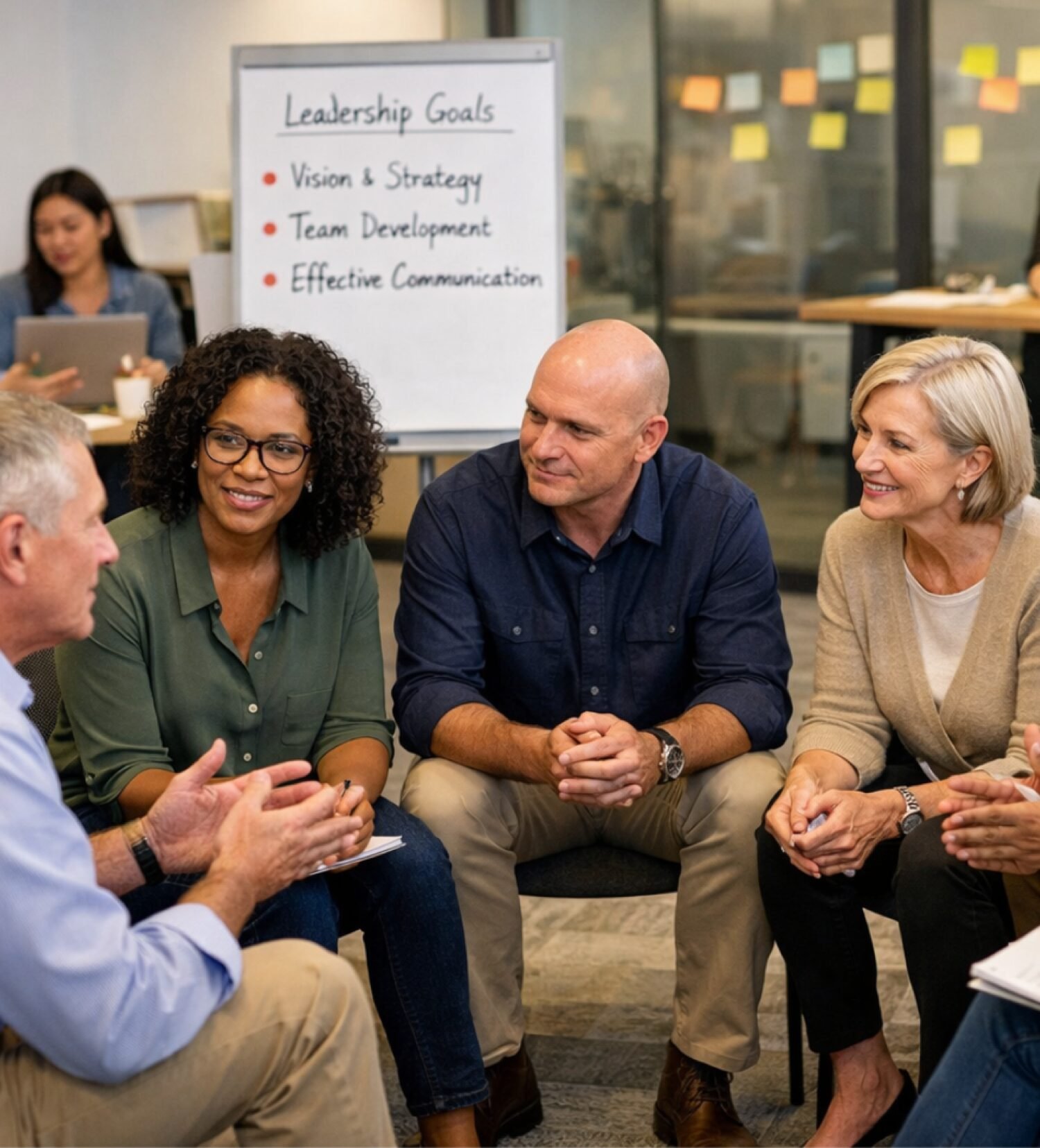
- Group Discussions: Facilitated group discussions where teams share insights on recent challenges.
Each exercise is designed to simulate real workplace scenarios, ensuring emotional intelligence skills transfer into daily interactions.
Workshop Structure and Learning Experience
The Glial emotional intelligence workshop utilizes facilitator-led practice and guided reflection to ensure the training program translates to daily life. Participants engage in perspective-taking and stress management techniques, creating a strong foundation for professional success.
Workshop Delivery Options
We offer flexible formats to meet your needs: in-person workshops, virtual training sessions, hybrid programs, and cohort-based learning. This approach supports long-term leadership resilience across the entire organization.
Measurement and Outcomes
We track progress through pre/post self-assessments, behavioral observation, and team feedback surveys. Organizations typically observe:
- Clearer communication during high-pressure situations
- Reduced conflict escalation
- Stronger collaboration across teams
Higher levels of psychological safety and trust

Who This Workshop Is For
This training program is designed for leadership teams, HR and L&D leaders, and cross-functional teams navigating rapid change or high levels of tension.
Why Organizations Choose Glial
Our work is grounded in applied neuroscience, somatic practice, and real-world organizational consulting experience with teams operating under sustained pressure. We don’t just teach leadership skills; we build the physiological capacity for those skills to exist.
Explore how regulation-first emotional intelligence training can strengthen your team.