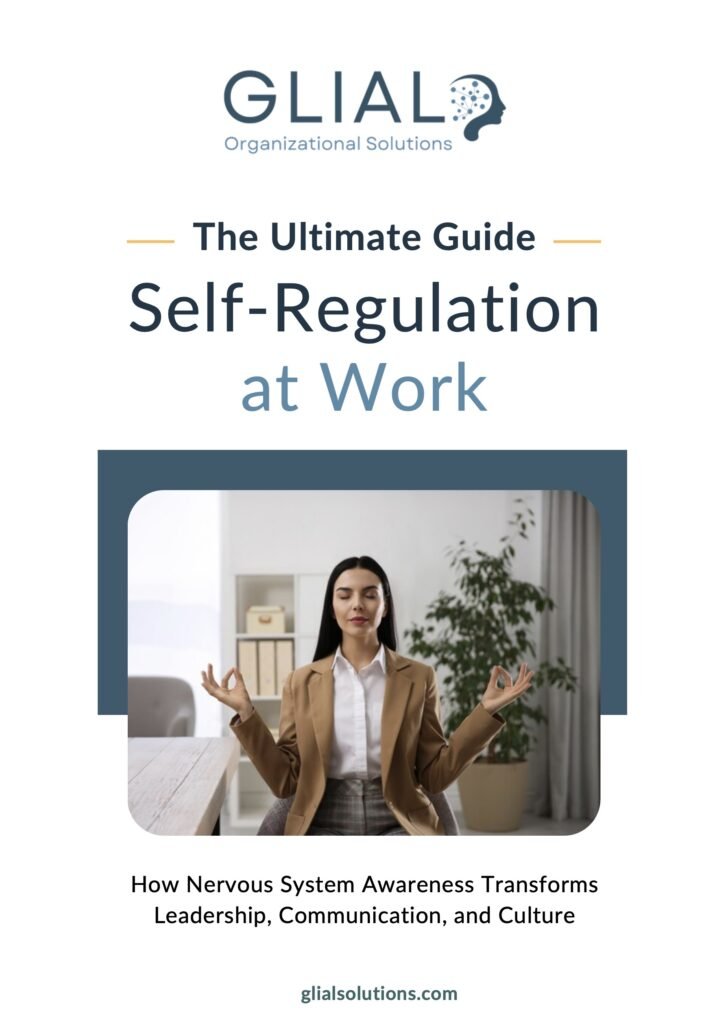


Why Workplace Stress Is Not Just an Individual Problem
Many employees deal with stress at work.
Deadlines increase.
Workloads expand.
Priorities shift.
But workplace stress is not only caused by the work itself.
It’s shaped by how the work is experienced.
This is where managers play a critical role.
Managers influence:
- how clearly work is defined
- how communication happens
- how pressure is handled in real time
Which means they don’t just respond to stress.
They either reduce it — or unintentionally amplify it.
How Can Managers Help Employees Deal With Stress?
Managers help employees deal with stress by creating the conditions where pressure remains manageable.
Not by removing challenges, but by reducing unnecessary strain.
Below are seven practical ways managers can reduce workplace stress and support employee well-being.
1. Create Clarity Around Priorities and Expectations
One of the most common workplace stressors is unclear expectations.
When employees don’t know:
- what matters most
- what can wait
- how success is defined
Stress levels increase quickly.
Managers can reduce stress by:
- setting clear priorities
- aligning with realistic goals
- reinforcing expectations consistently
Clarity allows employees to focus, instead of constantly recalibrating.
2. Normalize Open Communication About Stress
Many employees experience stress but don’t feel comfortable discussing it.
This increases pressure over time.
Managers can shift this by:
- encouraging employees to speak openly
- creating regular check-ins
- responding without judgment
When employees feel comfortable discussing challenges, stress becomes visible, and more manageable.
This also strengthens mental health support at the team level.

3. Model How to Manage Stress in Real Time
Employees don’t just listen to managers.
They observe them.
Managers who manage stress effectively:
- stay composed during pressure
- communicate clearly
- avoid reactive behavior
This helps employees learn how to manage stress themselves.
Strong modeling supports both emotional health and overall team stability.
4. Support Work-Life Balance Through Boundaries
Work-life balance is not created through policy alone.
It’s reinforced through daily behavior.
Managers can support work-life balance by:
- setting clear boundaries around availability
- respecting time off and vacation time
- avoiding unnecessary urgency
This is especially important in remote work and flexible scheduling environments.
Without boundaries, stress in the workplace becomes constant.
5. Reduce Unnecessary Workload Friction
Not all stress comes from volume.
Much of it comes from friction:
- unclear communication
- shifting priorities
- inefficient processes
Managers can reduce job stress by:
- improving time management expectations
- removing unnecessary tasks
- simplifying workflows
This helps employees manage stress without increasing pressure.
6. Provide Access to Mental Health Resources
Organizations often offer:
- employee assistance programs
- wellness programs
- mental health resources
But access alone is not enough.
Managers play a role in:
- encouraging employees to use these resources
- normalizing mental health conversations
- reinforcing that support is available
This strengthens both mental health and employee well-being across the team.
7. Build a Positive and Predictable Work Environment
A positive work environment reduces overall stress.
It creates:
- stability
- trust
- consistent expectations
Managers contribute to this by:
- maintaining open communication
- creating predictable rhythms of work
- supporting collaboration across team members
In these environments, employees are better able to:
- manage stress
- stay focused
- maintain productivity during challenging times

The Role of Physical and Emotional Health
Workplace stress affects more than performance.
It impacts:
- physical health
- emotional health
- overall well-being
Chronic stress can contribute to:
- difficulty concentrating
- fatigue
- burnout
- decreased productivity
This is why supporting employees is not just about output.
It’s about sustaining a healthy, resilient workforce.
What Reducing Workplace Stress Actually Looks Like
When managers actively reduce workplace stress, teams experience:
- lower stress levels
- improved focus
- stronger engagement
- better collaboration
Employees don’t avoid challenges.
They become better equipped to handle them.
Conclusion: Managers Shape How Stress Is Experienced
Employees deal with stress at work in every organization.
But the intensity of that stress is not fixed.
Managers shape whether stress becomes:
- manageable pressure
or - ongoing strain
Through:
- clear communication
- realistic goals
- structured work environments
- consistent support
When these are in place, employees are more likely to:
- manage stress effectively
- maintain productivity
- sustain long-term well-being
Because reducing stress at work is not just about helping employees cope.
It’s about changing the conditions that create stress in the first place.