

Resilience Doesn’t Break When Things Get Hard — It Breaks When Capacity Runs Out
Most teams don’t struggle because they lack effort.
They struggle when pressure exceeds their ability to manage it, together.
A deadline compresses.
A project becomes uncertain.
Communication starts to fragment.
And what looked like a capable, aligned team begins to shift:
- conversations get shorter
- stress spreads across team members
- problem solving becomes reactive
This is where a team’s resilience is actually tested.
Not in calm conditions, but in how it functions under sustained pressure.
Why Team Resilience Often Breaks Down
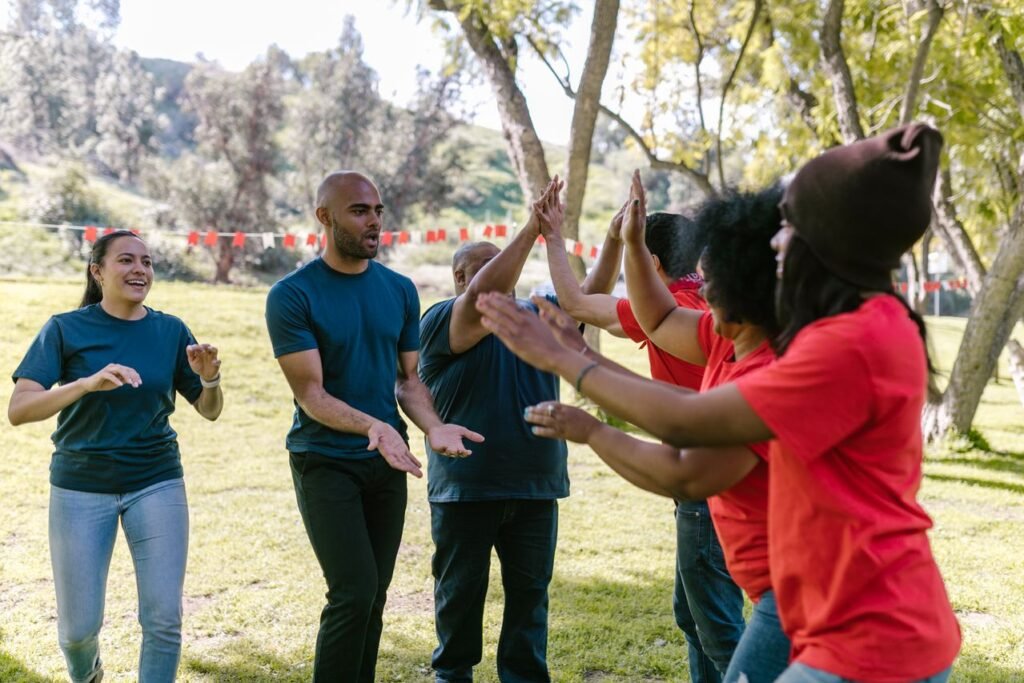
Team resilience breaks down when stress becomes collective.
It’s not just one person managing pressure; it’s the entire system.
In high-pressure environments, teams often experience:
- reduced psychological safety
- less open communication
- fragmented decision-making
- lower emotional intelligence in real time
This isn’t a motivation problem.
It’s a capacity problem.
When stress rises across multiple team members, the system becomes less stable.
And without structure, even strong teams struggle to navigate challenges effectively.
The Shift: From Individual Resilience to Organizational Resilience
Many approaches focus on individual coping strategies:
- encouraging a growth mindset
- promoting mental health resources
- supporting personal resilience
These matter.
But they don’t solve the core issue.
Because team resilience is not just individual.
It is structural.
Organizational resilience depends on how well teams function under shared stress.
That means:
- how communication holds up
- how decisions are made
- how people respond to challenges together
This is what allows teams to withstand adversity and recover quickly.

What Actually Builds Resilient Teams
Resilient teams are not built through motivation alone.
They are built through systems that hold under pressure.
1. Psychological Safety That Holds Under Stress
Psychological safety is one of the most important elements of a team’s resilience.
But it only matters if it remains intact when pressure rises.
Resilient teams are able to:
- raise concerns early
- share ideas without hesitation
- speak openly during challenging times
When psychological safety drops, teams stop communicating.
And when communication breaks down, resilience follows.
2. Clear Communication That Reduces Uncertainty
Uncertainty increases stress.
Clear communication reduces it.
In high-pressure situations, resilient teams rely on:
- consistent updates
- structured communication rhythms
- clear expectations
This helps team members stay aligned and focused, even when conditions are changing.
It also supports better problem-solving and faster adaptation.
3. Shared Responsibility for Managing Stress
In resilient teams, stress is not carried individually.
It is managed collectively.
This includes:
- recognizing when pressure is increasing
- supporting each other during difficult situations
- maintaining awareness of how stress affects behavior
This form of social support strengthens the team’s ability to manage stress without becoming overwhelmed.
4. Leadership That Stabilizes the Environment
Leaders play a critical role in building team resilience.
Not by pushing harder, but by stabilizing the system.
Resilient leaders:
- model emotional regulation
- maintain clarity during uncertainty
- create space for open dialogue
- help teams stay focused on the bigger picture
This stabilizing presence allows teams to adapt without losing cohesion.

Leadership Practices That Strengthen Team Resilience
Beyond structure, specific leadership behaviors shape how teams respond to pressure.
Model Emotional Regulation in High-Pressure Situations
Teams take cues from leaders.
When leaders manage stress effectively, teams are more likely to stay grounded.
This supports:
- clearer thinking
- better decision making
- more stable communication
It also reinforces emotional intelligence across the team.
Encourage Early Problem Solving
Resilient teams don’t avoid challenges.
They surface them early.
Leaders can support this by:
- inviting input from team members
- focusing on solutions instead of blame
- creating space for group discussion
This turns challenges into learning opportunities instead of setbacks.
Build Trust Through Consistency
Trust is a key part of building resilience.
It grows when:
- expectations are clear
- communication is consistent
- behavior remains steady under pressure
This creates an environment where teams can face challenges without losing alignment.
Practical Practices That Strengthen Team Resilience
Resilience is reinforced through repeated practices.
Not just intention.
Effective practices include:
- regular retrospectives after important projects
- structured reflection on past challenges
- cross-functional collaboration across other teams
- consistent check-ins during uncertain periods
These practices help teams:
- adapt more quickly
- strengthen shared understanding
- build a more resilient team over time
They also support long-term organizational resilience.
The Role of Mental Health and Well-Being
Team resilience is closely tied to mental health.
In high-pressure environments:
- stress accumulates
- energy drops
- burnout becomes more likely
Supporting mental health is not separate from performance.
It is part of it.
Resilient teams are able to:
- recover quickly after stress
- maintain engagement during difficult situations
- support each other through challenging times
This creates more sustainable performance over time.
What Building Team Resilience Actually Looks Like
You can feel when a team becomes more resilient.
There is:
- less reactivity during tough times
- more clarity in communication
- stronger social connections
- greater confidence in navigating uncertainty
Teams don’t just survive pressure.
They adapt.
They recover.
They continue to make progress, even in difficult situations.
Conclusion: Resilience Is a System, Not a Trait
Building team resilience in high-pressure work environments is not about pushing individuals to be stronger.
It’s about creating the conditions that allow teams to function under stress.
When organizations focus on:
- psychological safety
- communication systems
- emotional regulation
- shared responsibility
They build resilient teams that can:
- manage stress
- navigate challenges
- maintain performance over time
Because resilience is not something a team has.
It’s something a team creates together.